



Social Media Marketing for Retail: Strategies That Sell
Social Media MarketingNOV 16, 2026
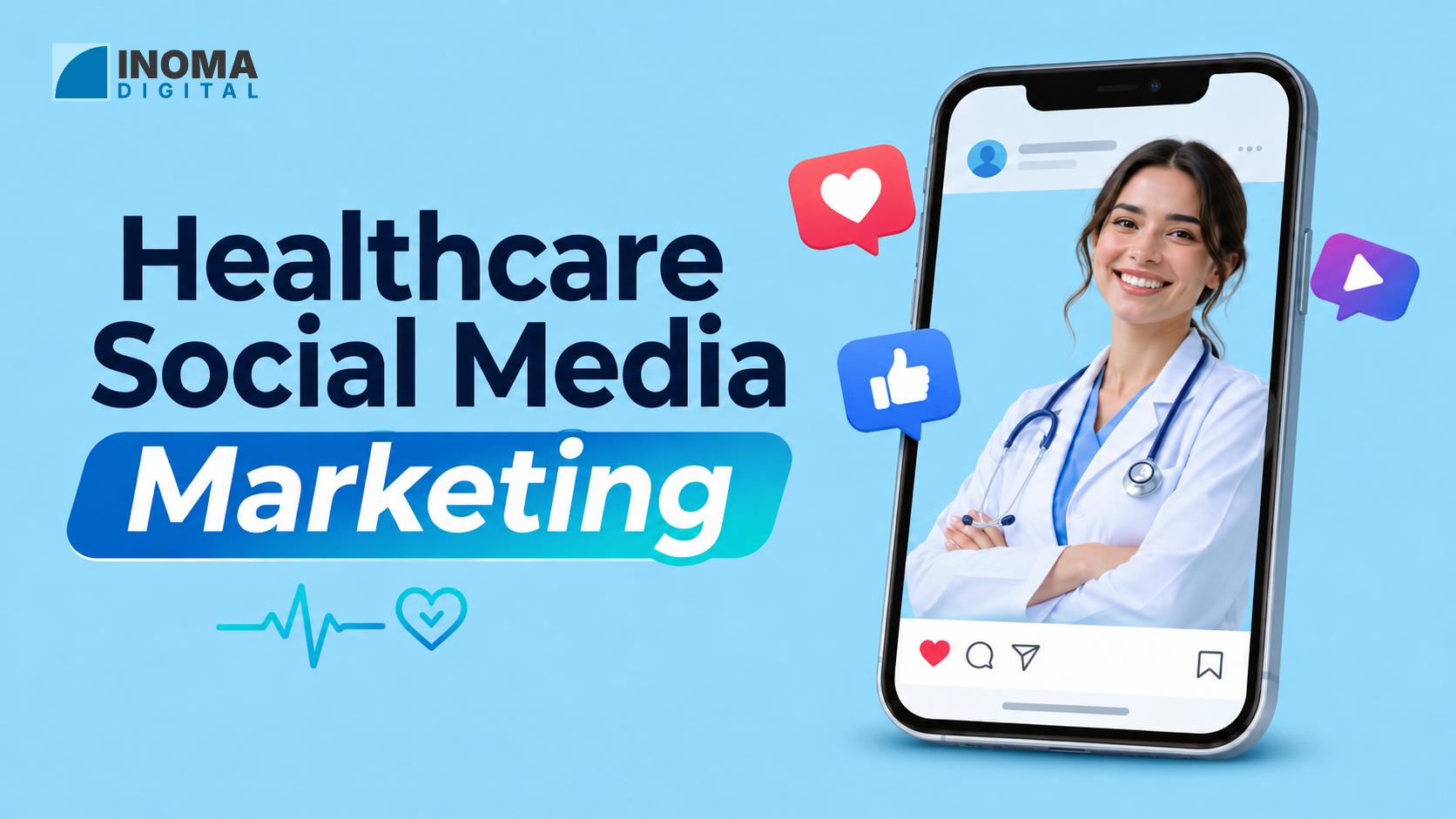
Patients may visit your social media profiles before they ever step into your clinic. An inactive page, outdated information, or content that fails to build trust can cost you a potential appointment. Meanwhile, healthcare providers who communicate consistently can educate audiences, showcase their expertise, and stay visible when patients are evaluating their options. But posting regularly isn’t enough.
Healthcare social media marketing requires the right platforms, meaningful content, patient engagement, and careful handling of privacy and advertising rules. This guide explains how to build a strategy that strengthens your online reputation, connects with your audience, and turns social media activity into measurable growth.
Healthcare social media marketing uses social platforms to educate patients, build trust, increase awareness of healthcare services, and help providers connect with potential patients. It combines informative content, professional insights, community engagement, and service promotion to support patient acquisition and retention.
Healthcare social media marketing serves several groups:
Social media gives patients direct access to health information. It gives providers a direct channel to educate patients and answer questions.
The role of social media in healthcare now covers patient education, public health messages, peer support, and research recruitment. Your patients already use these platforms. Pew Research Center surveyed 5,022 US adults in 2025. It found that 84% use YouTube, 71% use Facebook, and half use Instagram.
The social media impact on health has two sides. Online communities give patients support and information. Misinformation also spreads fast. The World Health Organization called the flood of false COVID-19 information an infodemic. Providers who post accurate content give patients a reliable source.
Three accounts show how this works in practice.
Dr. Tyler Hanks is a board-certified pediatric dentist. He founded Happy Tooth Pediatric Dentistry in Millcreek, Utah, near Salt Lake City, and opened it in 2020. He designed the office with social media in mind. The mural and overall look create content that families want to share. He posts on Instagram and TikTok as happytoothslc.
What you can copy: Show parents what a first visit feels like. Plan your space and visit flow so staff can film safely and with consent.
Harvard Health Publishing is the consumer health information division of Harvard Medical School. Its articles carry the names of physicians and editors. It also lists an editorial board.
What you can copy: Put a named clinician behind every health post. Visible expertise supports brand authority and trust.
Dr. Mike Varshavski is a board-certified family medicine physician known online as Doctor Mike. He told Fox News that myths and misinformation frustrated him as a doctor. He then saw that a YouTube channel could reach far more people than his 30 to 40 daily patients. Fox News reported about 14 million subscribers in 2025. Fortune reported 2.1 million TikTok followers in 2023.
What you can copy: Answer common patient questions in plain language. Keep every claim accurate.
Social media matters in healthcare because it helps patients evaluate providers, learn about services, and build confidence before scheduling an appointment. A consistent online presence can support patient awareness, provider credibility, and the decision-making process.
Healthcare marketing is important for a simple reason. It helps patients find care, understand their options, and trust a provider. That supports patient acquisition and patient retention.
The data supports this:
Social media does not replace search. A 2013 Pew study found that 77% of online health seekers started at a search engine. Only 1% started at a social network. Think of the patient journey in three stages: awareness, consideration, and decision. Social media builds awareness and consideration. Search and reviews drive the decision.
Good posts earn shares, saves, and comments. These actions lead to word-of-mouth referrals. A parent who shares your flu season checklist introduces you to other parents at no cost.
Consistent, accurate posts position your doctors as thought leaders. Show credentials, cite sources, and name the clinician in each post.
Outbreaks and health scares create fear. Post short, clear updates from trusted sources such as the CDC or WHO. Tell patients what to do and where to call. A fast, calm answer reduces rumors.
Your brand voice and visual identity shape how patients see you. Use the same tone, colors, and photo style on every platform. Respond to feedback in public with respect.
Care communities connect patients who share a condition. Two examples show their value.
You do not need a network that large. A moderated Facebook group for new parents or a rheumatoid arthritis support chat can serve your patients well.
Healthcare companies build trust by sharing accurate content, showing real credentials, responding quickly, and protecting patient privacy.
Use these actions:
Case study: Mayo Clinic. Mayo Clinic created a Center for Social Media and a Social Media Network for staff. Lee Aase, who led the effort, reported in presentations that one video post earned about 1,000 views in six months. After the team shared it on Facebook and Twitter, it earned about 5,000 views per hour. The lesson is clear. Good content needs distribution to reach patients.
Social media helps clinics reach more patients at lower cost, protect their reputation, and drive bookings.
Social media marketing is important for clinics because patients compare local options online. Binary Fountain asked where patients read ratings and reviews. Google ranked first at 53%. Hospital websites followed at 48%, Facebook at 45%, Healthgrades at 42%, and Instagram at 28%. Your social profiles and Google Business Profile both shape the decision.
One post reaches many patients at once. Pew found that about half of US adults visit Facebook and YouTube daily. Use polls, quizzes, and Q&As to start conversations.
Meta Ads Manager lets you target by location and age. A small local budget can reach families near your clinic. Health ads have targeting limits, which this guide covers below.
Monitor reviews and comments every day. Reply with thanks and a general message. Never confirm that the reviewer is a patient.
Add a booking link to every profile that opens a clear, fast booking page. Use a link page such as Linktree or Beacons for several links. Add UTM links so you can see which posts drive appointments.
Posts that explain symptoms, tests, and treatments improve health literacy. Patients who understand a procedure arrive with fewer fears and better questions.
Staff spotlights and behind-the-scenes content show patients who will care for them. Promote new services such as telehealth with a short video that walks through the visit.
A YouGov Healthcare survey asked consumers about hospitals. In it, 57% said a hospital’s social media ties would strongly affect where they seek treatment. Patients notice which providers show up online.
A healthcare social media strategy has five steps: define goals, know your audience, choose platforms, create patient-focused content, and build a workflow.
Write SMART goals. They must be specific, measurable, achievable, relevant, and time-bound. Example: increase appointment requests from Instagram by 20% in 90 days. Tie each goal to patient acquisition, patient retention, or awareness.
Build audience personas. List age, location, health concerns, and preferred platforms. A toddler’s parent, an older adult’s caregiver, and a patient with a chronic condition need different content. Map each persona to the patient journey.
Pick platforms where your personas already spend time. Start with one or two. The platform section below compares your options.
Build four content pillars: education, trust, community, and services. Write each post to answer a real patient question. The content section below gives ideas for each pillar.
A workflow keeps your team consistent and safe. Include these parts:
Facebook, Instagram, LinkedIn, and YouTube suit most healthcare providers. TikTok and X work for specific goals.
| Platform | Best for | Pew 2025 data | Top content |
|---|---|---|---|
| Local clinics, hospitals, community groups | 71% of US adults use it, most often ages 30 to 49 | Events, reviews, patient education | |
| Clinics, wellness, dental, dermatology | 50% of US adults, 80% of ages 18 to 29 | Reels, Stories, carousel posts | |
| YouTube | Procedure explainers, physician Q&As | 84% of US adults | Long videos, Shorts |
| HCP outreach, hiring, device brands | Not reported in the 2025 survey | Research, hiring posts | |
| X (Twitter) | Live events, chats, news | 10% of US adults visit daily | Live posts, links |
| TikTok | Short education for younger adults | 24% of US adults visit daily | Short-form video |
The best healthcare content educates patients, shows your team, and answers questions patients already ask.
Plan content around four pillars using infographics, carousels, Reels, Stories, and live Q&A sessions.
Post seasonal health tips, such as flu shot reminders, sun safety guides, or sleep tips. Link to the CDC or another primary source.
Share myth-busting content, polls, and Q&As. Explain health claims with evidence and offer useful resources, such as free checklists.
Announce health fairs, screening days, and new services. OhioHealth shares stories about its New Year’s babies. Get written consent before featuring patients or families.
Use consistent colors, logos, and voice across platforms. Partner with local businesses, such as gyms or schools, for joint events.
Feature doctors, nurses, physiotherapists, and other staff in spotlights to introduce your team and build familiarity.
Share patient reviews and success stories as social proof. Obtain written consent before reposting patient stories, photos, or videos.
Healthcare tactics use specialist networks, live sessions, and hashtags to reach patients and peers where they already talk.
Share your expertise where patients and professionals gather. Physician networks such as Doximity and Sermo serve HCPs. Patient communities such as PatientsLikeMe serve patients. LinkedIn serves both. Follow each network’s rules before you post.
BCSM ran its first weekly chat on July 4, 2011. Weekly live sessions built a loyal community. You can run a live Q&A on Instagram, YouTube, or X. Announce the topic in advance. Tell viewers you cannot give personal medical advice in a live session.
Hashtags help patients find your posts. Use three types:
Use a hashtag database such as Symplur to see how health tags perform. The UCLA team used Symplur to study BCSM.
Healthcare visuals should look consistent, clear, and accessible. Patients trust brands that look organized.
Short educational videos give healthcare providers the most reach. Keep them clear, accurate, and captioned.
Short-form video works well on Reels, TikTok, and YouTube Shorts. Use longer videos on YouTube for procedure explainers. Mix these formats: educational videos, behind-the-scenes clips, and live Q&A sessions.
Case study: Kaiser Permanente patient stories. In a 2011 presentation, Kaiser Permanente’s social media lead reported 35 patient story videos. The videos earned about 40,000 views and an estimated 1.5 million social impressions. Each story needs written patient consent.
Follow this simple process:
Healthcare engagement works best as two-way communication. Ask, listen, and reply.
Most providers post but do not talk. A study in BMC Public Health looked at state health departments. Only 1.5% of their tweets replied to followers. Also, 86% of their Facebook updates received no comments.
Patients expect a reply. The PwC survey found that nearly half expect a response within a few hours. About 29% expect one within an hour.
Follow these practices:
Case study: Our Babies Count in Ohio. This public education campaign used Facebook to promote early prenatal care. The agency Murphy Epson reported that the page passed 1,000 followers in three weeks and 5,000 in 11 months. Steady engagement built the community.
Healthcare social media advertising techniques uses paid campaigns on platforms like Meta, LinkedIn, YouTube, and TikTok to reach relevant audiences while following privacy and advertising regulations.
Paid campaigns can increase local reach, but healthcare advertisers must follow platform-specific targeting and content restrictions.
A newborn screening research campaign used Pinterest ads to recruit participants. A one-week campaign generated 668 clicks, 37 eligible participants, and 27 sign-ups, costing $96.73 per eligible participant. Another 26 people signed up afterward.
Track cost per qualified lead, not just clicks, to measure campaign effectiveness.
Healthcare social media strategies should reflect each provider’s audience, services, and compliance requirements.
Doctors can share educational content, answer common questions, and explain their approach to care. AMA ethics guidelines require patient privacy, professional boundaries, and separation of personal and professional content. Updated guidance also addresses product promotion and financial interests.
Focus on local visibility through an updated Google Business Profile and local SEO stratgies. Share staff highlights, seasonal tips, services, and events. Encourage reviews and use patient photos only with proper consent.
Hospitals need centralized content policies, trained community managers, service-line content, and crisis response plans.
Case Study: Kaiser Permanente — Research found that Kaiser primarily shared informational content while also showing opportunities for audience dialogue. Its EHR system also faced negative social media coverage, highlighting the need for prepared response strategies.
Platforms like Doximity, Sermo, LinkedIn, and X help healthcare professionals share research, industry updates, and peer insights without patient identifiers. A BCSM study highlighted how online discussions helped physicians understand patient concerns.
Medical device brands should share product education, demonstrations, and accurate benefit-risk information. FDA guidance addresses promotional content on space-limited platforms. Wearable and remote-monitoring brands can use tutorials, educational videos, and LinkedIn to reach professional audiences.
Healthcare social media management is the ongoing work of planning, creating, publishing, moderating, and reporting on social content. It includes compliance review.
Healthcare social media services usually include:
| Option | Strength | Limit |
|---|---|---|
| In-house team | Close knowledge of your practice | Time and skill gaps |
| Freelancer | Lower cost | Limited capacity |
| Social agency for healthcare | Full team and process | Needs a clear contract |
Ask an agency these questions:
A medical social media management partner should protect your patients first and your reach second.
Healthcare social media risks include privacy breaches, misinformation, unprofessional behavior, regulatory violations, and time management challenges.
Protect patient information in every post, comment, and interaction. Follow these guidelines:
Healthcare marketing must follow applicable laws and platform policies, including:
Requirements vary by country and specialty. Review your social media policies regularly with legal or compliance professionals.
Maintain a professional tone, avoid online arguments, separate personal and professional accounts, and verify clinical information before publishing.
Manage workload with content calendars, batch creation, and scheduling tools like Meta Business Suite, Buffer, or Later. Assign clear roles for content approval and community management.
Read Also:Social Media Marketing for Retail: Strategies That Sell
The right tools save time and improve consistency. Never enter patient information into them.
Monitor brand mentions, doctor profiles, hashtags, and patient discussions to identify sentiment, common questions, and content opportunities. Use these insights to improve patient communication and educational content. Research highlights how online communities help physicians understand patients’ experiences beyond clinical settings.
Analyze 3–5 competitor accounts to compare posting frequency, content types, engagement, and follower growth. Identify high-performing content and gaps to refine your strategy and strengthen brand visibility.
Track key metrics to understand how social media contributes to engagement, website traffic, and patient bookings.
| Metric | What it measures |
|---|---|
| Reach & impressions | Content visibility |
| Engagement rate | Audience interaction |
| Follower growth | Audience growth |
| Link clicks | Interest in services |
| Leads & bookings | Conversions |
| Sentiment | Audience perception |
Use UTM links to track campaign traffic in Google Analytics. Monitor Google Business Profile calls and direction requests. Use heatmaps only on public pages, never patient portals.
Calculate ROI using:
ROI=Revenue-Social Media CostSocial Media Cost100
Example: Spending $2,000 to generate $5,000 in revenue results in a 150% ROI.
Track these metrics monthly using Google Sheets to identify what works and improve your strategy.
The most common mistakes are random posting, over-promotion, slow replies, and ignoring privacy rules.
1. Posting Randomly or Dropping Accounts
2. Over-Promotion and No Value
3. Failure to Respond to Comments and Messages
4. Not Tailoring Content for Every Platform
5. Sharing Patient Information Without Consent
6. Ignoring Analytics
Managing healthcare social media takes time, strategy, and consistent content. Inoma Digital helps healthcare brands build an effective social presence through:
Let your team focus on patient care while we manage your social media.
Book a free consultation with Inoma Digital
A digital agency built on systems, clarity, and long-term results. Helping businesses through strategy, design, technology, marketing and business growth.